
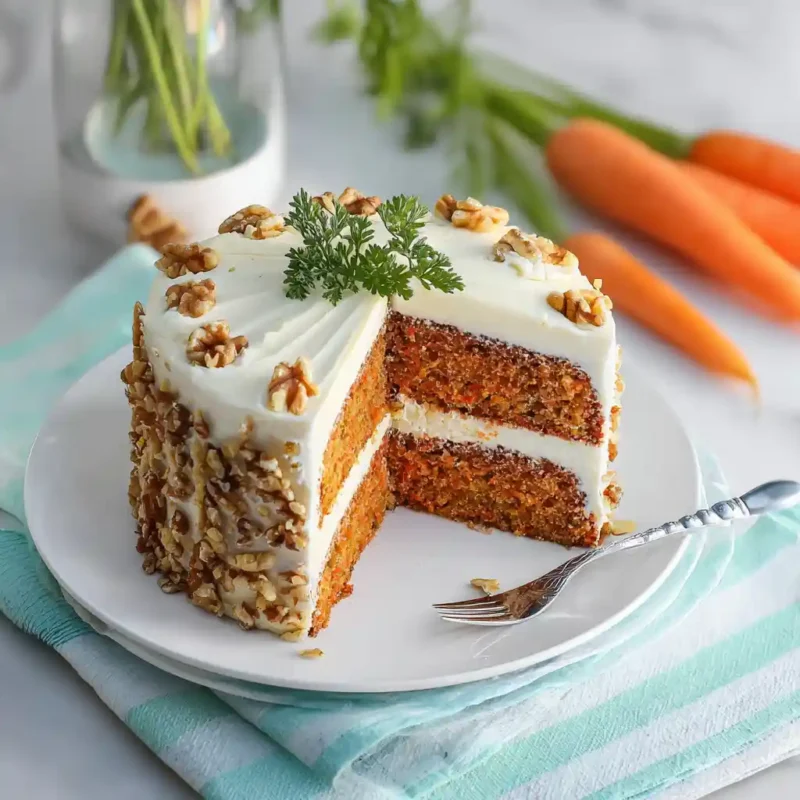
Classic carrot cake recipe moments always bring me back to why I love baking in the first place. I learned early that a good cake comes from care, not shortcuts. I still grate carrots by hand because texture defines the final crumb. As cinnamon and ginger warm the kitchen, everything slows down, and that calm matters to me. This classic carrot cake recipe delivers a moist crumb, balanced spice, and a gentle melt that feels comforting from the first bite. I bring the same focused attention to this cake that I use with refined Melty Cakes like Mirror Glaze Cake Recipe. Every slice feels familiar, generous, and meant to be shared without rush.
Table of Contents
Table of Contents
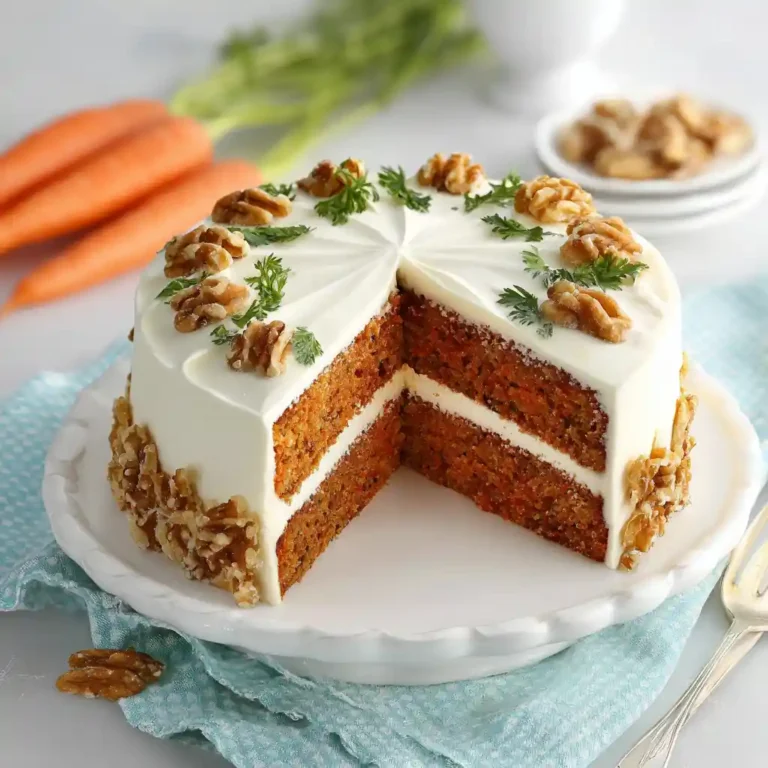
Classic Carrot Cake Recipe with Cream Cheese Frosting
This classic carrot cake recipe delivers a moist crumb, warm spices, and rich cream cheese frosting. A timeless dessert made with care.
- Total Time: 1 hour 20 minutes
- Yield: 12 servings
Ingredients
Vegetable or sunflower oil
Granulated sugar
Large eggs
Fine sea salt
Ground cinnamon
Ground ginger
Ground cloves
Baking powder
Baking soda
All-purpose flour
Grated carrots
Toasted walnuts
Crushed pineapple
Cream cheese
Unsalted butter
Confectioners’ sugar
Vanilla extract
Instructions
1. Preheat oven to 350°F and grease cake pans
2. Mix oil, sugar, eggs, salt, and spices until smooth
3. Add flour and mix gently
4. Fold in carrots, pineapple, and walnuts
5. Divide batter and bake until moist crumbs appear
6. Cool layers completely
7. Frost with cream cheese frosting
Notes
Use freshly grated carrots
Drain pineapple fully
Cool layers before frosting
- Prep Time: 45 minutes
- Cook Time: 35 minutes
- Category: Melty Cakes
- Method: Baking
- Cuisine: American
- Diet: Vegetarian
Ingredients & Step-by-Step Method
Ingredients That Make This Classic Carrot Cake Recipe Work
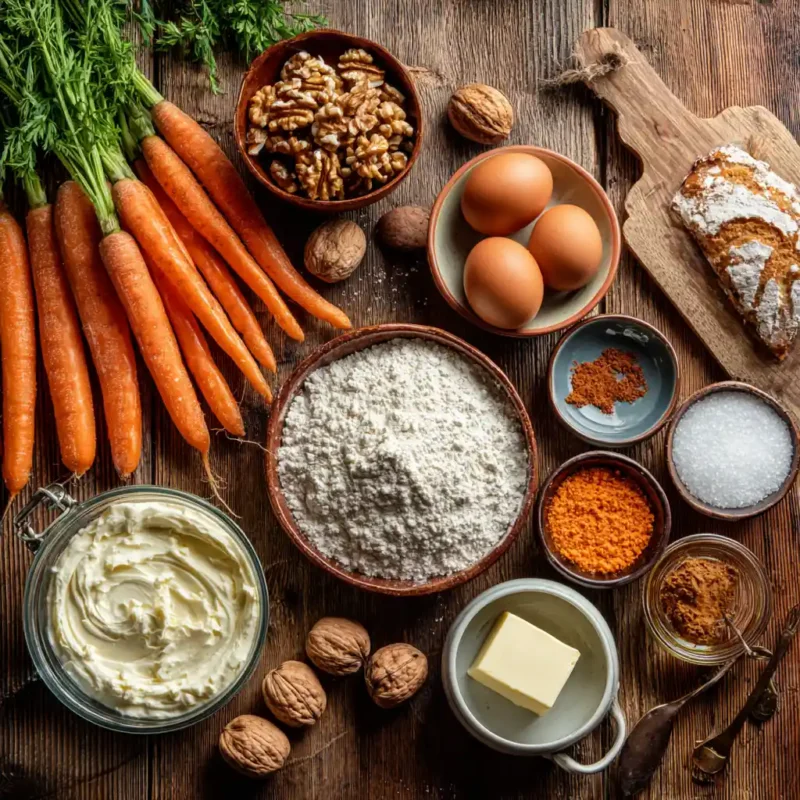
This classic carrot cake recipe succeeds because every ingredient plays a clear role. Oil provides lasting moisture and keeps the crumb tender for days. Granulated sugar sweetens cleanly and allows the spices to remain warm and balanced. Eggs create structure while keeping the texture soft. Freshly grated carrots matter because packaged carrots lack moisture and flavor. Crushed pineapple softens the crumb naturally, while toasted walnuts add texture and depth. Cinnamon, ginger, and cloves shape the warm profile that defines this classic carrot cake recipe.
Ingredients information table:
Ingredient | Amount | Purpose
Vegetable or sunflower oil | 1 1/4 cups | Keeps the crumb moist and tender
Granulated sugar | 2 cups | Provides balanced sweetness
Large eggs | 4 | Creates structure and lift
All-purpose flour | 2 cups | Gives strength without heaviness
Grated carrots | 3 cups | Adds natural moisture and sweetness
Crushed pineapple, drained | 1/2 cup | Softens the crumb
Toasted walnuts | 1 cup | Adds texture and nutty depth
Step-by-Step Instructions
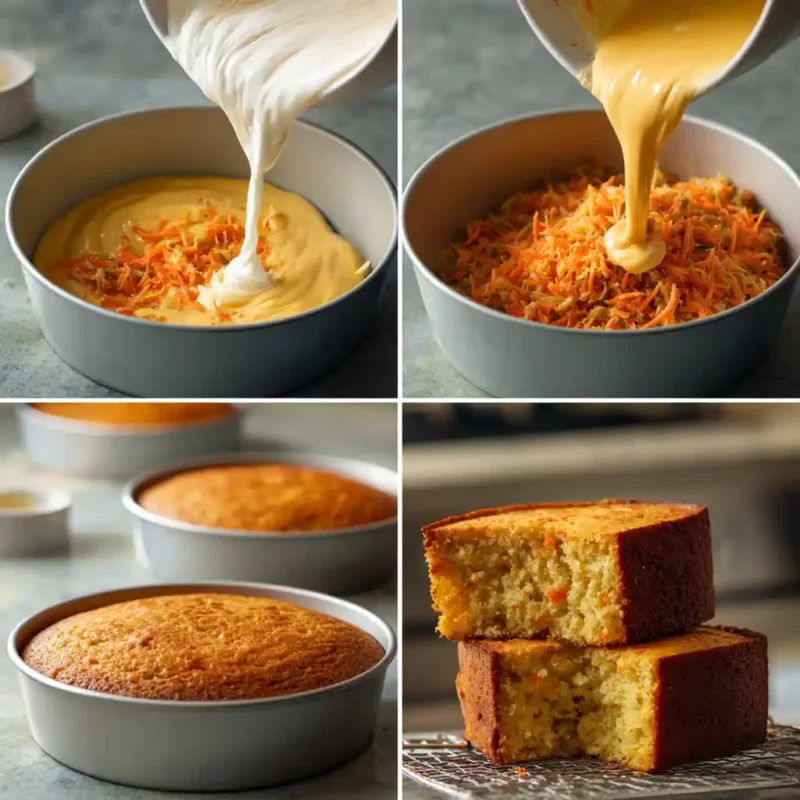
I begin this classic carrot cake recipe by preheating the oven so the heat stays steady from the start. I lightly grease three round cake pans and prepare the batter calmly. I mix oil, sugar, salt, eggs, cinnamon, ginger, cloves, baking powder, and baking soda until smooth. Then I add the flour and mix gently because overmixing weakens the crumb. I fold in grated carrots, drained pineapple, and toasted walnuts just until combined. I divide the batter evenly and bake until a toothpick shows a few moist crumbs. I cool the layers completely before frosting, following the same controlled rhythm I use when baking How to Make Cloud Bread Melty Cake, where timing defines success.
Nutrition, Texture & Flavor Variations
What Makes This Classic Carrot Cake Recipe Moist and Fluffy
A classic carrot cake recipe becomes fluffy through balance, not excess. Oil plays the first role because it coats flour proteins and prevents toughness. Eggs add structure while trapping air during mixing, which supports lift in the oven. Baking powder and baking soda work together to create an even rise, while acidity from crushed pineapple activates the soda gently. Freshly grated carrots release moisture as the cake bakes, keeping the crumb soft without heaviness. I always mix the batter just until combined because overmixing deflates air and tightens texture. This careful approach gives the cake its tender, fluffy interior that feels light despite its richness.
Sugar Choices and Flavor Variations
Many people ask whether white or brown sugar works better in a classic carrot cake recipe. The choice affects both texture and flavor.
White sugar keeps the crumb lighter and allows the spices to stand out clearly. It supports a clean, balanced sweetness that feels traditional and familiar.
Brown sugar adds extra moisture and a deeper molasses note. However, too much brown sugar can weigh the cake down and dull the spice profile.
I prefer granulated sugar here because it preserves the clean, classic flavor most people expect from carrot cake.
For variation, walnuts can be replaced with pecans, or crushed pineapple can be swapped for raisins without losing moisture. Coconut also works well when used sparingly.
I apply the same thoughtful balance when developing melty desserts like Gooey Butter Cake Bars, where sweetness supports texture instead of overpowering it. Small adjustments keep the cake familiar while still allowing room to personalize it.
Serving, Toppings & Storage Tips
How to Serve a Classic Carrot Cake Recipe
A classic carrot cake recipe tastes best when served slightly cool, not cold. I usually let the frosted cake rest at room temperature for about 20 minutes before slicing because that softens the crumb and allows the spices to bloom. Cream cheese frosting should feel smooth and balanced, never heavy. I keep the frosting layer generous but not thick so the cake remains the focus. For gatherings, I slice with a warm knife to keep the layers clean and defined. This cake pairs beautifully with coffee or tea, especially when served as part of a dessert table alongside refined melty desserts like Gooey Basque Burnt Cheesecake. The contrast between creamy and spiced textures keeps every bite interesting.
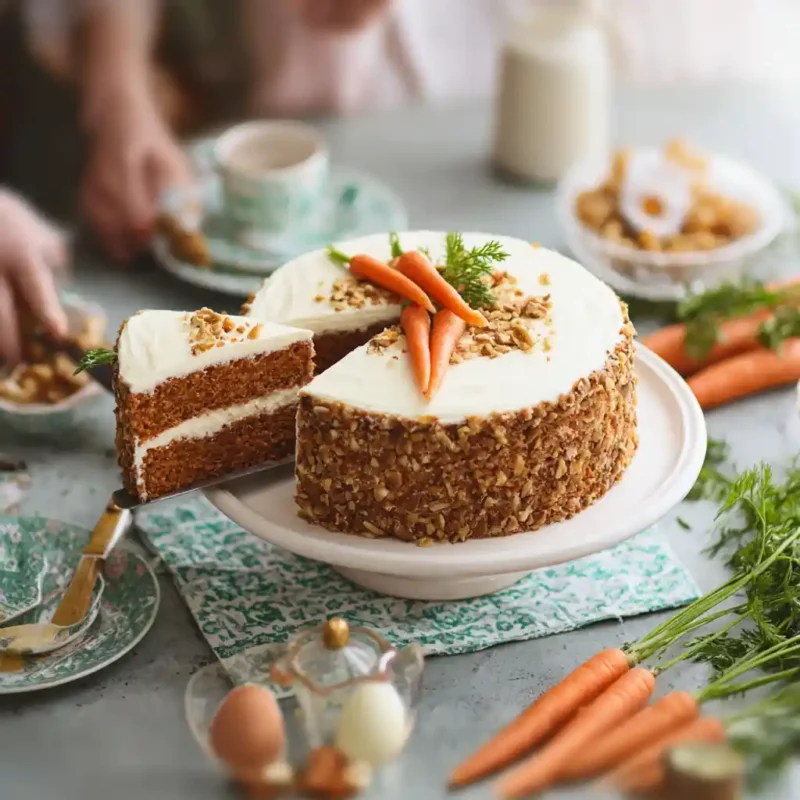
How to Store and Keep Carrot Cake Fresh
Proper storage keeps a classic carrot cake recipe moist and flavorful for days. I store the fully frosted cake in the refrigerator, loosely covered, to protect the cream cheese frosting. When wrapped well, the cake stays fresh for up to five days. For longer storage, I freeze unfrosted layers individually, wrapped tightly in plastic and then foil. This method preserves moisture without altering texture. When ready to use, I thaw the layers overnight in the refrigerator and frost once fully defrosted. I avoid freezing the fully decorated cake because condensation can affect the frosting finish. With the right care, this cake maintains its soft crumb and balanced flavor every time.
Tools for Baking a Perfect Cake
The right tools make a noticeable difference when baking a classic carrot cake recipe. I always start with sturdy round cake pans because even heat distribution supports a level rise and consistent crumb. I prefer light-colored metal pans since they prevent overbrowning and keep the edges soft. A box grater with medium holes works best for carrots because it releases moisture without turning them mushy. I avoid food processors here because they break the carrots down too much and affect texture.
A large mixing bowl and a reliable hand or stand mixer help keep the batter smooth without overworking it. I use a rubber spatula to fold in carrots, pineapple, and nuts gently because control matters at that stage. For baking accuracy, an oven thermometer helps maintain steady temperature, especially since spice-heavy cakes react strongly to heat changes. I also rely on a wire cooling rack so air circulates freely under the layers, which prevents soggy bottoms.
When it comes time to frost, a long offset spatula gives me clean, even layers without tearing the cake. A bench scraper helps smooth the sides quickly while keeping the frosting neat. These tools support the same calm, controlled process I use when baking melty cakes like Melt-in-the-Middle Chocolate Sheet Cake, where precision shapes the final texture. With the right tools and a steady pace, this cake always turns out balanced, moist, and ready to impress.
Common Mistakes & How to Fix Them
Even a well-loved classic carrot cake recipe can miss the mark when small details slip. The most common mistake comes from overmixing the batter. When flour gets worked too hard, the cake loses tenderness. I always mix just until combined to protect the crumb. Another issue comes from using pre-shredded carrots. Those carrots stay dry and prevent moisture from spreading evenly through the cake. Freshly grated carrots solve that instantly.
Too much liquid can also cause problems. Crushed pineapple must drain fully before mixing because excess juice leads to a dense or soggy center. Uneven baking often happens when pans differ in size or when the oven runs hot. I rotate pans halfway through baking to keep the layers even. Frosting issues usually come from temperature. Cream cheese frosting spreads best when the cake cools completely. Warm layers cause sliding and uneven coverage. When I slow down and respect these steps, the classic carrot cake recipe always delivers consistent texture and flavor.
Cream Cheese Frosting Mastery for Carrot Cake
Cream cheese frosting plays a defining role in a Classic carrot cake recipe, yet many home bakers underestimate how much technique matters. I always bring both the cream cheese and butter fully to room temperature before mixing. Cold ingredients create lumps, while overly soft ingredients cause loose frosting. Balance matters at every stage.
I beat the cream cheese and butter first until smooth and unified. This step ensures a stable base before adding sugar. I add powdered sugar in stages rather than all at once because gradual incorporation keeps the frosting light and controlled. Vanilla extract rounds out the tang without masking it. I stop mixing as soon as the frosting looks smooth and spreadable because overbeating introduces air and weakens structure.
This frosting should feel creamy, not stiff. When spread correctly, it hugs the cake layers instead of sliding. A thin crumb coat helps lock in moisture and creates a clean finish. Once chilled briefly, the final coat spreads effortlessly. This frosting approach protects the cake’s soft crumb and highlights the spiced interior rather than overpowering it.
Why Carrot Cake Texture Improves After Resting
One of the most overlooked truths about a Classic carrot cake recipe is that it improves with time. Fresh from the oven, the cake already tastes good, but after resting, the flavors deepen and the texture settles into something truly special.
As the cake cools and rests, moisture redistributes evenly through the crumb. The carrots continue releasing natural sweetness, while the spices mellow and blend. Oil-based cakes benefit greatly from this rest because oil holds moisture more consistently than butter. That’s why this cake remains tender even after refrigeration.
I often bake the layers a day ahead and frost the next morning. This pause allows the cake to firm slightly, making assembly easier and cleaner. When sliced, the crumb holds together without crumbling, and the flavors feel more cohesive. Resting transforms a good carrot cake into a memorable one.
Understanding Carrot Size, Grating, and Moisture Control
Carrot preparation directly affects the outcome of a Classic carrot cake recipe. I always choose medium carrots rather than large ones because oversized carrots often contain more water and less sweetness. Medium carrots provide better balance and flavor concentration.
Grating technique matters just as much as carrot choice. I use the medium holes of a box grater because fine grating releases too much moisture too quickly, while coarse grating leaves raw texture in the crumb. Properly grated carrots melt into the batter during baking, creating tenderness without visible strands.
I never squeeze moisture from the carrots. That liquid belongs in the cake. The balance between carrots, pineapple, and oil already accounts for moisture content. Removing it throws off texture and risks dryness. When handled correctly, carrots act as a natural tenderizer that defines the cake’s signature softness.
Baking Environment and Oven Accuracy
Oven accuracy often determines whether a Classic carrot cake recipe bakes evenly or develops issues. I always preheat fully and avoid opening the oven door during the first 25 minutes. Sudden temperature drops affect rise and structure.
Rack placement also matters. I bake the pans on the center rack so heat circulates evenly around all sides. When baking multiple pans, I rotate them gently halfway through to correct hot spots. I avoid convection mode because forced air dries the cake surface too quickly.
A toothpick test works best when inserted slightly off-center. The goal is moist crumbs, not a dry stick. Overbaking remains the fastest way to ruin texture. When I trust timing and visual cues together, the cake bakes evenly with a soft, resilient crumb.
Scaling the Recipe for Different Occasions
This Classic carrot cake recipe adapts easily to different needs without sacrificing quality. For smaller gatherings, the batter works well in two thicker layers with slightly extended bake time. For sheet cakes, I spread the batter evenly and reduce frosting thickness to maintain balance.
Cupcakes also work beautifully. I fill liners two-thirds full and bake until just set. The same frosting ratio applies, but I keep piping simple to avoid overwhelming the cake. Scaling works best when ingredient ratios stay intact. I never halve eggs or leavening unevenly because structure depends on precision.
Understanding how the recipe scales allows this cake to fit birthdays, holidays, and everyday moments with the same dependable result.
Frequently Asked Questions About Classic Carrot Cake Recipe
What are the ingredients for carrot cake?
A classic carrot cake recipe uses oil, sugar, eggs, flour, grated carrots, warm spices, baking powder, baking soda, and salt. Many versions also include nuts and crushed pineapple for moisture and texture. Cream cheese frosting completes the cake with a smooth, tangy finish.
What makes a carrot cake fluffy?
Fluffiness comes from proper leavening, gentle mixing, and moisture balance. Oil keeps the crumb soft, eggs provide structure, and baking soda reacts with acidic ingredients like pineapple. Mixing only until combined helps the batter trap air and rise evenly.
How to bake a simple carrot cake?
To bake a simple version, mix wet ingredients first, then add dry ingredients gently. Fold in carrots and any add-ins last. Bake at a steady temperature and test for doneness with a toothpick showing moist crumbs. Let the cake cool fully before frosting.
Is white or brown sugar better for carrot cake?
White sugar works best in a classic carrot cake recipe because it keeps the crumb lighter and allows spices to shine. Brown sugar adds moisture and depth but can make the cake heavier if used in large amounts.
Can I make carrot cake ahead of time?
Yes, carrot cake works very well when made ahead. I often bake the cake layers one day in advance and store them tightly wrapped at room temperature or refrigerated. This rest time allows moisture to redistribute and flavors to deepen. I frost the cake the next day once the layers feel fully set and cool. If needed, unfrosted layers also freeze well for longer storage and thaw evenly without losing texture.
Conclusion
A Classic carrot cake recipe never needs excess to feel special. It earns its place through balance, warmth, and intention. I return to this recipe when I want baking to feel calm and meaningful, not rushed or complicated. From freshly grated carrots to gentle folding, every step reinforces how care shapes flavor. The result always delivers a moist crumb, warm spice, and a comforting melt that feels timeless. Cream cheese frosting adds contrast while letting the cake remain the true focus.
What I love most about this Classic carrot cake recipe is its ability to fit so many moments. It belongs at celebrations, quiet weekends, and everyday tables where simple joy matters. It also pairs beautifully with richer desserts when you want contrast, much like the indulgent depth found in Melt-in-the-Middle Chocolate Sheet Cake. Together, they show how different textures and flavors can coexist while still feeling thoughtful and homemade. This cake reminds me why desserts matter. They slow us down, invite connection, and turn ordinary days into memories worth keeping, one soft slice at a time.
Discover more cozy melty dessert recipes in every table.
👉 Save your next craving on Pinterest boards and discover more no-bake dessert recipes you can make in just minutes.